
When it comes to increasing the usable space in your home, most people think about building an addition or finishing an attic. But there’s another option that’s often overlooked—your basement. If your basement has low ceilings, poor lighting, or simply doesn’t feel like a livable area, you might think it’s a lost cause. That’s where basement underpinning comes in.
Basement underpinning is a structural renovation that not only strengthens your home’s foundation but also lowers the floor to increase ceiling height. This powerful transformation turns dark, cramped basements into bright, spacious, and fully functional areas that can serve a wide range of purposes—from guest suites and rental apartments to home gyms, media rooms, or offices.
What makes underpinning such a valuable upgrade is its ability to maximize space you already have. Instead of expanding outward or upward, you’re digging down to make room for more comfort, function, and flexibility. With the right planning and design, your basement can become one of the most beautiful and well-used parts of your home.
In this blog, we’ll explore how basement underpinning works, the benefits of creating additional space, and real-life before-and-after examples that show just how transformative this renovation can be.
What is Basement Underpinning?
Basement underpinning is a process that involves strengthening and lowering the foundation of your home to create more vertical space in the basement. This typically involves excavating below the existing foundation footings and pouring new, deeper ones. The result? Higher ceilings, improved structural integrity, and the ability to fully finish your basement to suit your needs.
This method is especially useful in older homes with low basement ceilings or where the basement was never intended for regular use. Whether you’re looking to add a rental unit or simply gain more room for your family, underpinning is a solid investment in your home’s future.
Why Maximize Basement Space?
As families grow or lifestyle needs change, extra space becomes increasingly valuable. Renovating your main or upper floors may not always be practical or affordable. That’s where the basement comes in.
Unfortunately, many basements are limited by low ceilings, poor lighting, and inadequate insulation. Underpinning solves this by increasing the ceiling height and making the space feel more open and livable. With proper design, your basement can serve as anything from a home gym or office to a rental apartment or entertainment hub.
Key Benefits of Basement Underpinning for Space Optimization
Higher Ceilings, More Comfort
Raising the ceiling transforms a once-cramped space into a welcoming area suitable for everyday use. You can finally walk through your basement without ducking!
Better Design Possibilities
Increased height opens the door to more layout options and modern finishes, including built-in shelving, recessed lighting, and open-concept living areas.
Increased Property Value
By adding livable square footage, underpinning can significantly boost your home’s market value, making it attractive to potential buyers or renters.
Improved Lighting and Ventilation
With added headroom, you can enlarge windows or add new ones, bringing in natural light and fresh air.
Room for Additions
Think bathroom, kitchenette, laundry area, or even a full suite—underpinning gives you the flexibility to add whatever your home is missing.
Before and After Transformations
One of the most compelling ways to understand the value of basement underpinning is by looking at real-life transformations. From barely usable spaces to beautifully designed living areas, underpinning can dramatically enhance both functionality and comfort. Here are a few examples that showcase just how impactful this renovation can be:
Case Study 1: From Storage Room to Family Retreat
Before:
The homeowners had a narrow, 6-foot-high basement that was mostly used to store old furniture, seasonal items, and boxes of miscellaneous clutter. The space felt cold, damp, and uninviting—with exposed concrete walls and poor lighting. There was no ventilation, and the family rarely ventured down there unless absolutely necessary.
After:
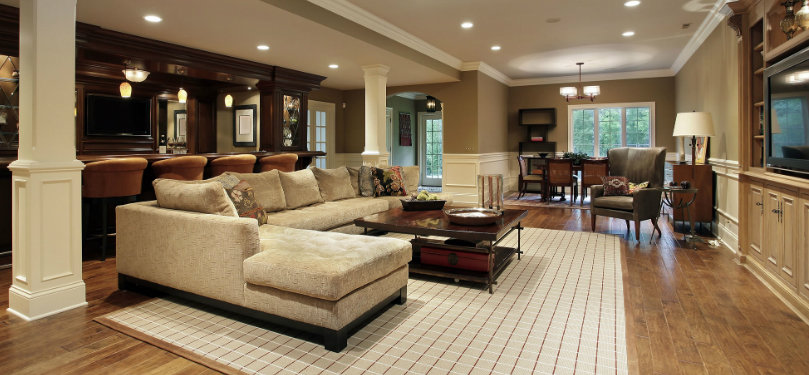
Following a full underpinning project, the basement was lowered by nearly two feet, giving the space a generous 8-foot ceiling height. The homeowners added pot lights, luxury vinyl plank flooring, and warm neutral paint tones to create a cozy and modern aesthetic. The new space now serves as a multi-functional family retreat—complete with a comfy TV lounge, kids’ play zone, and a reading nook tucked into one corner. What was once forgotten square footage is now the most popular spot in the house.
Case Study 2: Turning Utility Space into a Legal Basement Apartment
Before:
This semi-detached home had an unfinished basement with a low ceiling, outdated wiring, and no proper plumbing. It was home to the furnace, water heater, and laundry—but served no other purpose. With property values on the rise, the homeowners saw potential in converting the space into a rental suite but needed to meet building code requirements, including ceiling height minimums.
After:
Underpinning provided the necessary height clearance to build a fully legal one-bedroom apartment. The space was reconfigured to include a kitchen with stainless steel appliances, a full bathroom with walk-in shower, and a spacious bedroom with an egress window for safety and natural light. New drywall, flooring, and sound insulation helped create a quiet, private environment for tenants. Now, the homeowners are earning consistent rental income—and increasing their property value in the process.
Case Study 3: Basement Gym and Wellness Space
Before:
A fitness-focused couple had long dreamed of a home gym, but their basement’s low ceiling made it impossible to install gym equipment. The area was cluttered, with just enough headroom to stand upright—and certainly not enough to do pull-ups, use machines, or practise yoga comfortably.
After:
With underpinning, the floor was lowered to allow 8.5-foot ceilings, opening the door (literally and figuratively) to a fully outfitted wellness zone. The couple installed rubber flooring, mirrored walls, and a smart ventilation system. They now enjoy a private gym equipped with a treadmill, weights, resistance machines, and a meditation area. The transformation has significantly improved their lifestyle—and saved them the cost of a gym membership.
These real-world scenarios highlight how basement underpinning can transform overlooked or unusable spaces into high-functioning, high-value areas tailored to your specific needs. Whether you’re creating a place for family fun, a private suite for tenants, or a personalized retreat for wellness, the possibilities start with going deeper—literally.
Things to Consider Before Underpinning
Before jumping into a basement underpinning project, here are a few factors to keep in mind:
Permits and Regulations
Underpinning is a major structural alteration, so you’ll need proper permits and adherence to local building codes.
Hire the Right Professionals
It’s critical to work with licensed contractors and engineers experienced in underpinning. Mistakes can be costly.
Budget and ROI
While underpinning requires a significant investment, the return in usable space and resale value can make it worthwhile.
Project Timeline
Expect disruption. Underpinning can take several weeks to complete, so plan accordingly.
How to Make the Most of Your Newly Expanded Basement
Once your underpinning project is complete, it’s time to design a space that works for you. Here are some tips:
– Install moisture-resistant flooring and proper insulation
– Use recessed lighting to brighten up the space
– Add soundproofing for entertainment rooms or in-law suites
– Include built-in storage to maximize every square inch
– Don’t forget design elements like wall art, area rugs, and plants to make it feel like home
Popular ideas include a guest suite, home theatre, gym, game room, or even a full apartment to generate rental income.
Basement underpinning is one of the smartest ways to increase your home’s usable space without changing its footprint. It gives you the freedom to reimagine your basement as an inviting, functional part of your home rather than just a storage zone. Whether you’re planning to stay long-term or boost resale value, investing in underpinning is a step toward transforming your home from the ground up.
 Interior Designs Ideas