
Replacing your home’s heating and cooling system is one of the most significant investments you’ll make as a homeowner. It can feel overwhelming — especially if your current system has failed unexpectedly. But with the right knowledge, the process doesn’t have to be stressful. This guide walks you through every stage of HVAC replacement, from recognizing the signs that it’s time to act all the way through the final installation.
Knowing When Replacement Makes More Sense Than Repair
Before anything else, you need to determine whether your system truly needs replacing or whether a repair will do. A good rule of thumb is to consider the age of your equipment. Most systems have a lifespan of roughly one to two decades, and once a unit starts approaching the end of that window, repairs become less cost-effective. If your energy bills have been climbing steadily, your home struggles to maintain a consistent temperature, or your system requires frequent service calls, it’s likely time to start exploring replacement options. A trusted HVAC professional can assess your system and give you an honest breakdown of repair costs versus the long-term savings of a new, more efficient unit.
Getting a Quote
Once you’ve decided to move forward, the next step is getting a quote. A reputable HVAC contractor will schedule a home assessment before providing any pricing. During this visit, they’ll evaluate your home’s square footage, insulation levels, ductwork condition, and existing equipment. Be cautious of any company that offers a price without first seeing your home — accurate quotes require a proper load calculation to ensure the right system size is recommended. Oversized or undersized units create problems down the road, so this step matters. Always get more than one quote so you can compare not just price, but also what’s included in terms of equipment, labor, warranties, and post-installation support.
Choosing the Right System for Your Home
Not all HVAC systems are created equal, and the right choice depends on your home’s layout, climate, and budget. The most common option for whole-home comfort is a central split system, which includes both an indoor air handler and an outdoor condenser. Heat pumps are an increasingly popular alternative, offering both heating and cooling from a single unit and delivering strong energy efficiency in moderate climates. For homes without existing ductwork, ductless mini-split systems offer a flexible solution. When evaluating equipment, pay attention to efficiency ratings — higher-rated systems cost more upfront but can deliver meaningful savings on monthly utility bills over time. Your contractor should walk you through the options and help you find the right balance between upfront cost and long-term value.
Understanding Warranties and Equipment Quality
Equipment quality and warranty coverage are two factors that homeowners often overlook until something goes wrong. When reviewing proposals, ask about both the manufacturer’s warranty on the equipment and the contractor’s labor warranty. A strong manufacturer warranty on parts is a good sign of product reliability. Choosing a well-established brand and working with a certified installer ensures that your warranty remains valid. For example, homeowners who work with authorized dealers like Trane South can access equipment backed by comprehensive warranty programs, giving you added peace of mind long after installation day.
What Happens on Installation Day
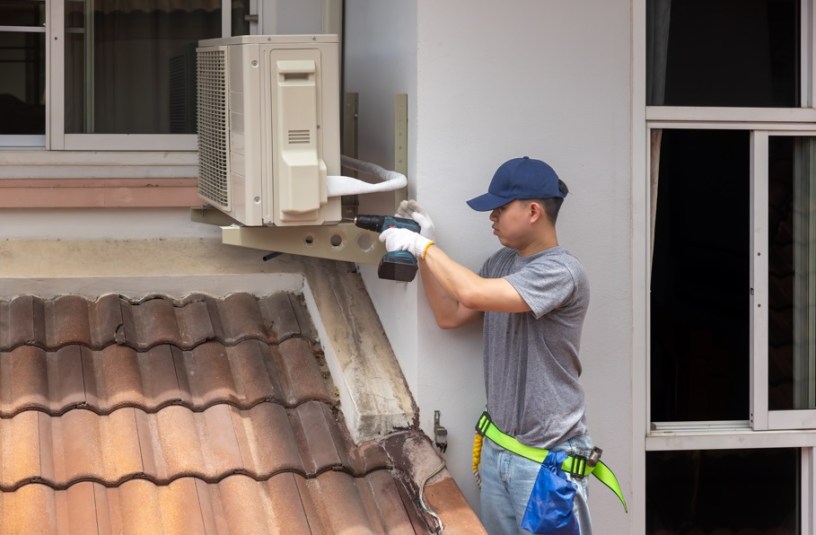
On installation day, your HVAC team will arrive with the new equipment and all necessary materials. The process typically begins with the safe removal and disposal of your old system. The new equipment is then positioned and connected — outdoor units are set on a level pad, indoor components are secured and connected to your ductwork, and refrigerant lines, electrical connections, and drainage are all properly installed. Depending on the complexity of the job, the work can be completed in a single day. Before leaving, the technicians should test the system thoroughly, walk you through the new thermostat and controls, and answer any questions you have about operation and maintenance.
Keeping Your New System Running Well
A new HVAC system is a long-term investment, and protecting it starts immediately after installation. Schedule regular maintenance visits — typically once in the spring and once in the fall — to keep the system operating at peak efficiency. Change air filters on a regular basis, keep the outdoor unit clear of debris, and pay attention to any unusual sounds or changes in performance. Many HVAC companies offer maintenance agreements that make it easy to stay on schedule. With proper care, a quality system can deliver reliable comfort for well over a decade.
Final Thoughts
HVAC replacement doesn’t have to be a source of stress. By understanding the process — from recognizing the right time to replace, to selecting the best system, to knowing what to expect on installation day — you can approach this investment with confidence. Take the time to research your options, work with certified professionals, and don’t be afraid to ask questions at every stage. Your home’s comfort and efficiency are worth it.
 Interior Designs Ideas